DH

Doctor Hubli

Women's Health

Iron Deficiency in Women: Signs, Causes & Indian Diet Solutions

Iron deficiency affects 60% of Indian women. Learn to recognize symptoms and discover traditional Indian foods that can boost your iron levels naturally.
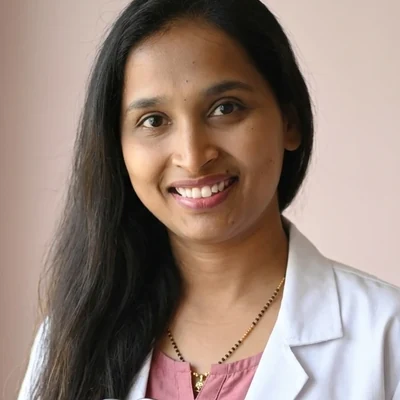
Dr. Geeta S. K.Dr. Geeta S. K.
June 26, 2025
10 min read
212 views
Iron Deficiency in Women: Signs, Causes & Indian Diet Solutions

Just last week, a young software engineer named Priya walked into my clinic in Hubli, looking exhausted despite having slept for eight hours. "Doctor, I feel tired all the time, and my colleagues keep asking if I'm okay because I look so pale," she said, settling into the chair across from my desk. What struck me most was how she described climbing just two flights of stairs at her office and feeling completely breathless. After running some tests, we discovered her hemoglobin was dangerously low at 6.8 g/dL – a clear case of severe iron deficiency anemia that had been silently affecting her for months.

Priya's story isn't unique. In my fifteen years of practice as a gynecologist here in Hubli, I've seen countless women walking through my doors with similar symptoms, often dismissing their fatigue as "just stress" or "part of being a busy woman." The reality is that 53% of Indian women aged 15-49 suffer from anemia, making it one of the most prevalent yet underdiagnosed health issues affecting women in our country today.

What makes this statistic even more concerning is that iron deficiency anemia is largely preventable and treatable when caught early. Yet, many women continue to suffer in silence, attributing their symptoms to everything except what might actually be causing them. Today, I want to share with you everything I've learned about recognizing, understanding, and most importantly, addressing iron deficiency through both modern medicine and our rich Indian dietary traditions.

Understanding Iron Deficiency Anemia: Why Indian Women Face Higher Risks

When I explain iron deficiency to my patients, I often use the analogy of a car running low on fuel. Iron is like the fuel that helps carry oxygen throughout your body via red blood cells. When iron stores become depleted, your body simply can't transport oxygen efficiently, leaving you feeling exhausted and unwell.

The numbers paint a stark picture for Indian women. According to the National Family Health Survey (NFHS-5), India accounts for 50% of the global anemia burden despite having only 17% of the world's population. Among Indian women specifically, the prevalence varies by age group:

  • Adolescent girls (15-19 years): 59.1%
  • Women aged 20-49: 53.1%
  • Pregnant women: 52.2%

But why are Indian women disproportionately affected? Through my years of practice, I've identified several interconnected factors that create what I call the "perfect storm" for iron deficiency.

Physiological Factors That Increase Risk

Women naturally lose 1-2 mg of iron daily through menstruation, which immediately puts us at a disadvantage compared to men. During pregnancy, iron requirements jump dramatically from 18mg per day to 27mg per day to support the growing baby and increased blood volume. Yet, our bodies can only absorb 10-15% of the iron we consume from food sources.

What's particularly challenging is the difference between heme iron (found in meat sources) and non-heme iron (found in plant sources). While heme iron is absorbed at rates of 15-35%, non-heme iron – which makes up 90% of iron intake in typical Indian diets – is absorbed at much lower rates of 2-20%.

Cultural and Socioeconomic Challenges

In my practice in Hubli, I've observed how cultural practices often inadvertently contribute to iron deficiency. Many of my patients come from joint families where women traditionally eat last, often settling for whatever remains after serving everyone else. This practice, while rooted in cultural values of selflessness, frequently means women consume inadequate portions of iron-rich foods.

Early marriage and closely spaced pregnancies also play a significant role. When a woman's iron stores haven't fully recovered from one pregnancy before the next begins, the cumulative effect can be devastating. Additionally, economic constraints often limit access to iron-rich foods like meat and fish, forcing families to rely heavily on cereals and vegetables with lower iron bioavailability.

Geographic and Regional Variations

The data reveals interesting geographic patterns, with rural areas showing higher prevalence (56%) compared to urban areas (50.4%). In Karnataka, where I practice, we see variations even within districts, often correlating with access to healthcare, education levels, and dietary diversity.

Recognizing the Signs: Symptoms Every Woman Should Know

One of the most frustrating aspects of iron deficiency is how easily its symptoms can be dismissed or attributed to other causes. I can't count the number of times patients have told me, "I thought I was just getting older" or "I assumed it was because I'm working too hard."

Early Warning Signs You Shouldn't Ignore

The earliest and most common symptom I see is persistent fatigue that doesn't improve with rest. This isn't the normal tiredness you feel after a long day – it's a bone-deep exhaustion that makes even simple tasks feel overwhelming. Priya, whom I mentioned earlier, described it perfectly: "It felt like I was trying to function with a phone battery that never charged above 20%."

Other early signs include:

  • Pale skin, particularly noticeable in the inner eyelids, gums, and nail beds
  • Cold hands and feet, even in warm weather
  • Brittle, thin, or spoon-shaped nails (a condition called koilonychia)
  • Unusual cravings for non-food items like ice, starch, or even dirt (known as pica)
  • Difficulty concentrating and memory issues

Progressive Symptoms That Demand Immediate Attention

As iron deficiency progresses, symptoms become more pronounced and concerning. I always tell my patients to seek immediate medical attention if they experience:

  • Shortness of breath during routine activities like climbing stairs or walking
  • Rapid or irregular heartbeat, especially during mild exertion
  • Increasingly heavy menstrual periods
  • Restless leg syndrome or unusual sensations in the legs
  • Severe headaches and dizziness

These symptoms indicate that your body is working overtime to compensate for the lack of oxygen-carrying capacity, putting additional strain on your heart and other organs.

Understanding the Medical Numbers

When we test for iron deficiency, we look at several markers:

  • Hemoglobin levels: Normal (>12g/dL), Mild anemia (10-11.9g/dL), Moderate (7-9.9g/dL), Severe (<7g/dL)
  • Ferritin levels: Normal (15-200ng/mL), Deficiency (<15ng/mL)
  • Transferrin saturation: Normal (20-50%), Deficiency (<20%)

I always explain these numbers to my patients because understanding them helps you advocate for your own health and track your progress during treatment.

Common Causes: From Heavy Periods to Dietary Gaps in Indian Women

Understanding what causes iron deficiency is crucial for both treatment and prevention. In my practice, I've found that most cases fall into four main categories, often with multiple factors contributing simultaneously.

Menstrual-Related Iron Loss (40% of Cases)

Heavy menstrual bleeding is by far the most common cause I encounter. When I ask patients about their periods, many don't realize that soaking through a pad or tampon every hour, or bleeding for more than seven days, isn't normal. Normal menstrual blood loss should be less than 80mL per cycle – anything more can quickly deplete iron stores.

Conditions that can cause heavy bleeding include:

  • Uterine fibroids
  • Endometriosis
  • Polycystic Ovary Syndrome (PCOS)
  • Thyroid disorders
  • Bleeding disorders

If you're experiencing irregular or heavy periods, it's essential to address the underlying cause while simultaneously treating the iron deficiency.

Dietary Inadequacy (35% of Cases)

This is where our traditional Indian diet presents both opportunities and challenges. While we have access to many iron-rich foods, the average Indian diet provides only 8-10mg of iron daily, well below the required 18mg for women of reproductive age.

Several dietary factors contribute to this gap:

  • Limited heme iron sources due to vegetarian dietary preferences
  • High consumption of tea with meals (tannins inhibit iron absorption)
  • Calcium-rich dairy products consumed simultaneously with iron-rich foods
  • Inadequate vitamin C intake to enhance iron absorption
  • Processing and refining of grains, which removes naturally occurring iron

Absorption Issues (15% of Cases)

Sometimes, despite adequate iron intake, the body simply can't absorb it properly. Conditions that affect iron absorption include:

  • Celiac disease
  • Inflammatory bowel disease
  • H. pylori infection (which affects about 60% of the Indian population)
  • Chronic kidney disease
  • Certain medications like proton pump inhibitors

If you're not responding to dietary changes or supplements, investigating absorption issues becomes crucial.

Increased Iron Requirements (10% of Cases)

Certain life stages and conditions dramatically increase iron needs:

  • Pregnancy and breastfeeding
  • Adolescent growth spurts
  • Intense physical training or athletics
  • Recovery from surgery or illness
  • Frequent blood donations

Iron-Rich Indian Foods: Traditional Solutions for Modern Problems

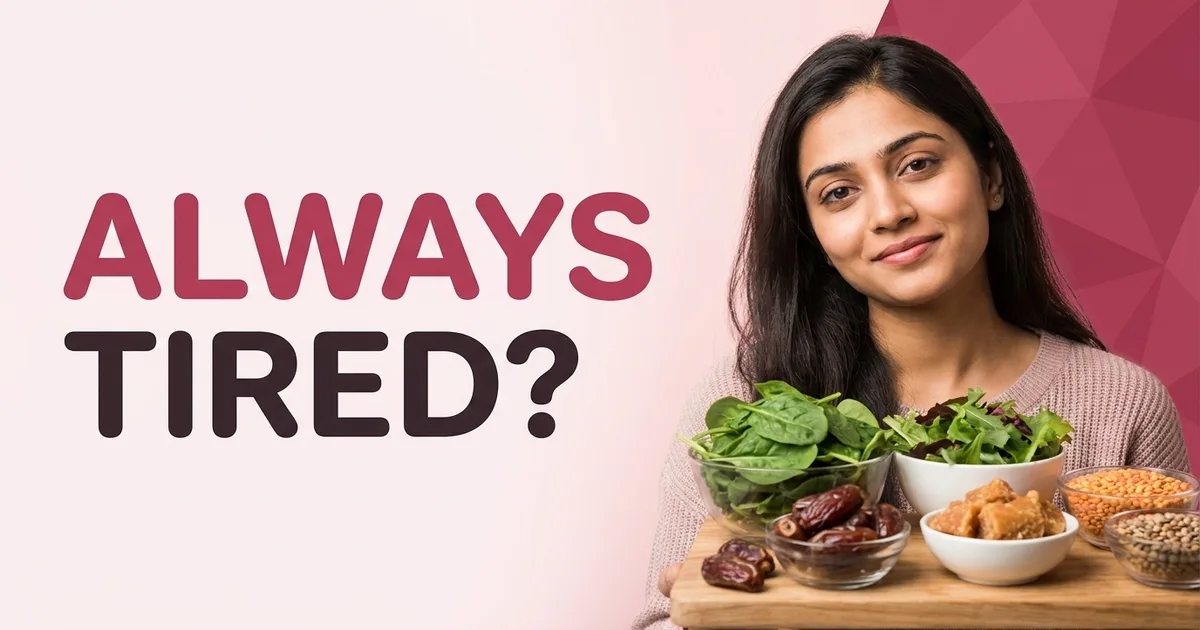
One of the things I love most about practicing medicine in India is how many solutions we can find in our traditional foods. Our ancestors understood nutrition in ways that modern science is only beginning to appreciate. The key is knowing how to combine foods for maximum absorption and avoiding combinations that hinder it.

Heme Iron Sources: The Most Easily Absorbed

For patients who consume non-vegetarian foods, these are the most efficient sources:

  • Mutton liver: 18mg per 100g (nearly a full day's requirement!)
  • Chicken liver: 13mg per 100g
  • Fish (pomfret, mackerel, sardines): 1-3mg per 100g
  • Eggs: 2.5mg per 100g
  • Mutton and chicken: 2-3mg per 100g

I often recommend liver once a week for patients with severe deficiency, prepared in traditional ways like kaleji masala or liver curry with plenty of onions and tomatoes to enhance absorption.

Plant-Based Iron Powerhouses

For my vegetarian patients, I focus on maximizing absorption from plant sources. Here are the best options:

Cereals and Millets

  • Bajra (pearl millet): 8mg per 100g
  • Ragi (finger millet): 3.9mg per 100g
  • Fortified wheat flour: 4-6mg per 100g
  • Quinoa: 4.6mg per 100g

Legumes and Pulses

  • Chana dal: 4.6mg per 100g
  • Masoor dal (red lentils): 4.8mg per 100g
  • Rajma (kidney beans): 5.1mg per 100g
  • Soybean: 5.2mg per 100g

Leafy Greens and Vegetables

  • Amaranth leaves (chaulai): 38mg per 100g
  • Fenugreek leaves (methi): 16.5mg per 100g
  • Spinach (palak): 2.7mg per 100g
  • Drumstick leaves: 4mg per 100g
  • Colocasia leaves (arbi ke patte): 10mg per 100g

Traditional Iron-Rich Preparations

Some of our traditional foods are incredibly rich in iron:

  • Jaggery (gud): 11mg per 100g
  • Sesame seeds (til): 14.5mg per 100g
  • Pumpkin seeds: 15mg per 100g
  • Dates: 2.7mg per 100g
  • Raisins: 2.6mg per 100g

The Art of Food Combining for Maximum Absorption

This is where traditional Indian cooking really shines. Many of our classic combinations naturally enhance iron absorption:

Absorption Enhancers

Vitamin C is iron's best friend. Include these with every iron-rich meal:

  • Amla: 600mg vitamin C per 100g
  • Guava: 228mg per 100g
  • Lemon juice: 53mg per 100g
  • Tomatoes: 27mg per 100g
  • Bell peppers: 190mg per 100g

Traditional Combinations That Work

  • Dal with tomato and onion tempering
  • Spinach sabzi with lemon juice
  • Iron-rich vegetables with amla powder
  • Sprouted legumes with lime dressing

Cooking Techniques That Boost Iron Content

I always share these practical tips with my patients:

  • Cook in iron utensils: This can increase iron content by 2-5mg per serving
  • Soak legumes overnight: Reduces phytates that inhibit absorption
  • Ferment grains: Idli and dosa batter fermentation improves iron bioavailability
  • Sprout before cooking: Increases vitamin C content naturally
  • Steam instead of boiling: Preserves more nutrients

Foods and Drinks to Avoid With Iron-Rich Meals

Timing is everything when it comes to iron absorption. Avoid these within one hour of iron-rich meals:

  • Tea and coffee (tannins block absorption)
  • Milk and dairy products (calcium competes with iron)
  • Whole grain cereals (unless soaked/fermented)
  • Antacids and calcium supplements

Prevention and Treatment: A Comprehensive Approach

Treating iron deficiency successfully requires a multi-faceted approach. In my practice, I've found that combining medical treatment with dietary modifications and lifestyle changes yields the best long-term results.

Medical Treatment Options

Oral Iron Supplements

For most patients, I start with oral iron supplements containing 65mg of elemental iron daily. I always explain that:

  • Iron is best absorbed on an empty stomach (if tolerated)
  • Taking it with 200mg of vitamin C enhances absorption
  • Common side effects include constipation (20% of patients), nausea (15%), and stomach upset
  • It takes 3-6 months to fully replenish iron stores

I often recommend taking iron supplements with orange juice or amla juice, and always advise patients to be patient – iron levels don't improve overnight.

When IV Iron Therapy Is Necessary

For severe cases or when oral supplements aren't tolerated or absorbed well, intravenous iron therapy can be life-changing. I consider IV iron for patients with:

  • Hemoglobin levels below 7g/dL
  • Severe malabsorption issues
  • Intolerance to oral supplements
  • Need for rapid iron repletion (pregnancy, upcoming surgery)

Dietary Strategies That Actually Work

Based on years of working with patients, here are the dietary strategies that consistently show results:

The Three-Meal Rule

I recommend including iron-rich foods in all three meals, not just dinner. A sample day might look like:

  • Breakfast: Ragi porridge with jaggery and chopped dates
  • Lunch: Bajra roti with methi sabzi and dal with tomato tempering
  • Dinner: Brown rice with amaranth leaves curry and lemon-dressed salad

Strategic Snacking

Iron-rich snacks can significantly boost daily intake:

  • Roasted pumpkin seeds with lime juice
  • Til laddu (sesame seed balls with jaggery)
  • Sprouted chana chaat with lemon
  • Dates stuffed with sesame seeds

Lifestyle Modifications That Support Iron Absorption

Exercise and Iron Status

Regular moderate exercise improves circulation and can enhance iron absorption. However, I caution patients with severe anemia to start slowly and gradually increase activity levels as iron stores improve.

Stress Management

Chronic stress affects digestion and can impair iron absorption. I often recommend:

  • Yoga and meditation practices
  • Adequate sleep (7-8 hours nightly)
  • Regular meal times
  • Mindful eating without distractions

When to Seek Medical Attention

I always emphasize that certain situations require immediate medical consultation:

Emergency Situations

  • Hemoglobin below 7g/dL
  • Chest pain or severe breathlessness
  • Rapid heartbeat at rest
  • Severe dizziness or fainting

Regular Monitoring Needed For

Follow-up Testing Schedule

I typically recommend:

  • Hemoglobin check after 4-6 weeks of treatment
  • Complete iron studies after 3 months
  • Annual screening for women at high risk

Addressing Underlying Causes

Successful treatment must address root causes, not just symptoms. This might involve:

  • Treating heavy menstrual bleeding with hormonal therapy or procedures
  • Managing thyroid disorders that affect iron absorption
  • Addressing gastrointestinal issues like H. pylori infection
  • Optimizing treatment for chronic diseases

Debunking Common Myths About Iron Deficiency

In my years of practice, I've encountered numerous misconceptions about iron deficiency that can actually hinder proper treatment. Let me address the most common ones:

Myth 1: "Only Vegetarians Get Iron Deficiency"

Reality: While vegetarians may be at higher risk, I see plenty of non-vegetarian patients with iron deficiency. Heavy periods, poor absorption, and inadequate intake of iron-rich foods can affect anyone, regardless of dietary preferences.

Myth 2: "Spinach Is the Ultimate Iron Source"

Reality: While spinach contains iron, its bioavailability is limited due to oxalates that bind iron. Amaranth leaves, fenugreek leaves, and properly prepared legumes are often better choices.

Myth 3: "Iron Supplements Cause Weight Gain"

Reality: Iron supplements don't directly cause weight gain. However, as your energy levels improve with treatment, you may naturally become more active and have a healthier appetite.

Myth 4: "You Can't Have Too Much Iron"

Reality: Excess iron can be toxic and lead to organ damage. This is why I always emphasize following medical guidance for supplementation and getting regular monitoring.

Myth 5: "Iron Deficiency Is Just About Being Tired"

Reality: Untreated iron deficiency can lead to serious complications including heart problems, pregnancy complications, and increased susceptibility to infections.

Special Considerations for Different Life Stages

Adolescent Girls

With 59.1% of Indian adolescent girls affected by anemia, this is a critical group. I work closely with families to ensure:

  • Adequate nutrition during growth spurts
  • Education about menstrual health
  • Regular health screenings
  • Building healthy eating habits that will last a lifetime

Pregnancy and Breastfeeding

Iron requirements nearly double during pregnancy. I emphasize:

  • Pre-conception iron optimization
  • Regular monitoring throughout pregnancy
  • Continued supplementation while breastfeeding
  • Spacing pregnancies adequately to allow iron store recovery

Perimenopausal and Postmenopausal Women

While iron requirements decrease after menopause, other factors like decreased absorption and chronic diseases can still cause deficiency. I focus on:

Building a Sustainable Iron-Rich Lifestyle

The goal isn't just to treat iron deficiency once, but to prevent its recurrence. Here's how I help my patients build sustainable habits:

Meal Planning Strategies

I encourage patients to plan their weekly meals around iron-rich foods. A simple approach is to ensure each meal contains:

  • One iron-rich main ingredient
  • One vitamin C source
  • Minimal iron absorption inhibitors

Family Involvement

Since cultural factors often contribute to iron deficiency, involving the entire family in dietary changes is crucial. I often suggest:

  • Educating family members about women's nutritional needs
  • Preparing iron-rich meals that everyone enjoys
  • Ensuring women eat adequate portions at family meals
  • Supporting women's health as a family priority

Long-term Monitoring

I recommend my patients think of iron status monitoring as part of their routine health care, like checking blood pressure or blood sugar. Regular check-ups help catch deficiencies early, before symptoms become severe.

Looking Forward: A Message of Hope and Empowerment

As I reflect on cases like Priya's – and the hundreds of women I've helped overcome iron deficiency – I'm filled with optimism. Today, Priya's hemoglobin is back to a healthy 13.2 g/dL, her energy levels are restored, and she's become an advocate for women's health awareness in her workplace.

Iron deficiency anemia is not a life sentence. It's a condition that responds beautifully to proper treatment, dietary modifications, and lifestyle changes. What gives me the most satisfaction is seeing women reclaim their energy, their health, and their lives.

The journey to optimal iron status isn't always quick or easy, but it's absolutely achievable. Whether you're dealing with iron deficiency yourself or supporting someone who is, remember that every small step toward better nutrition and health awareness makes a difference.

Our traditional Indian foods offer incredible opportunities for natural healing and prevention. By combining this wisdom with modern medical knowledge, we can address not just the symptoms of iron deficiency, but its root causes.

I encourage every woman reading this to take charge of her health. Don't dismiss persistent fatigue as "normal" or accept feeling unwell as part of being a woman. You deserve to feel energetic, healthy, and vibrant. If you recognize symptoms of iron deficiency in yourself, seek medical evaluation. If you're already being treated, be patient with the process and consistent with your treatment plan.

Remember, taking care of your health isn't selfish – it's essential. A healthy, energetic woman can better care for her family, excel in her career, and contribute meaningfully to society. Your health matters, and iron deficiency is one challenge that we can definitely overcome together.

Medical Disclaimer: This article is for educational purposes only and should not replace professional medical advice. Always consult with a qualified healthcare provider for diagnosis and treatment of iron deficiency anemia. Individual nutritional needs may vary, and supplement recommendations should be personalized based on your specific health status and medical history.

If you're experiencing symptoms of iron deficiency or have concerns about your iron status, I encourage you to consult with a healthcare provider who can properly evaluate your condition and develop a treatment plan tailored to your specific needs. Your health is worth the investment, and the sooner you address iron deficiency, the quicker you can return to feeling your best.

Dr. Geeta S. K.

About Dr. Geeta S. K.

Dr. Geeta S K is a experienced gynecologist dedicated to providing compassionate care and expert guidance on women's health issues. With years of practice, she specializes in PCOS management, pregnancy care, and comprehensive gynecological services.

Dr. Geeta S K

Dr. Geeta S K

Gynecologist & Fertility Specialist

Dedicated to providing compassionate women's healthcare with over a decade of experience. Trusted by thousands of patients for expert medical guidance and personalized care.

+91 98765 43210
hello@doctorhubli.com
Hubli, Karnataka

Our Services

Health Tools

© 2026 Doctor Hubli. All rights reserved.
Made with for women's health