Essential Women's Health Guide: 10 Things Every Indian Woman Should Know
A decade-by-decade preventive health guide for Indian women: the tests to take at each age, the vaccines that protect you, and the daily numbers that keep you well.
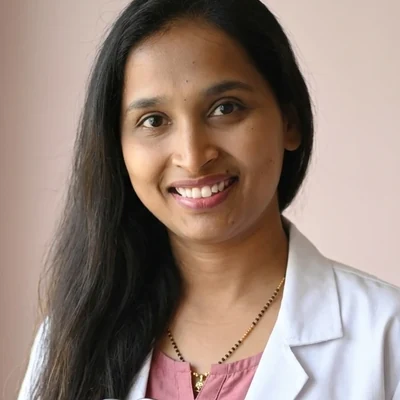 Dr. Geeta S. K.
The short answer: Your 20s are for building the base: track your cycle, get your haemoglobin tested, and take the HPV vaccine if you missed it. From 30, add a cervical screening test about every 5 years, plus blood pressure and sugar checks. From 40, ask your doctor about a yearly mammogram. After menopause, keep screening, and report any bleeding at once. Below is the full chart of tests, vaccines, and daily numbers, matched to Indian guidelines.
What you will learn
- The full screening chart: which test at which age, by Indian guidelines
- Why 57% of Indian women are anaemic, and the one blood test to ask for
- HPV vaccine doses by age, and the myths you can safely ignore
- Your daily numbers: 1000 mg calcium, 600 IU vitamin D, 150 to 300 minutes of movement a week
- The period changes that need a doctor without waiting
Why Indian women need their own health plan
In my clinic I see this pattern all the time. A woman brings her children, her husband, even her in-laws for check-ups. Her own file stays empty for years. She comes only when something already hurts.
The numbers show what this costs us. According to NFHS-5, India's national family health survey (2019-21), 57% of Indian women aged 15 to 49 are anaemic. That is up from 53% in the previous survey. Studies collected in the Indian Journal of Medical Research find roughly 70 to 90% of Indian adults are low on vitamin D. Breast cancer is now the most common cancer in Indian women, making up about 29% of new cancer cases in women (Globocan 2022). Cervical cancer is the second most common, and India carries roughly a fifth of the world's burden of it. It is also one of the most preventable.
One more thing before the chart. Western checklists do not fully fit us. Indian screening ages and methods differ from American ones in a few places. This guide follows Indian guidance first: the national screening framework, FOGSI (our federation of gynaecologists), and ICMR. Where they are silent, I use WHO.
Your 20s: build the base
Nothing heavy starts in this decade. Your job is to learn your body and build habits that carry you for 40 years.
Know your cycle. A cycle that regularly runs between 24 and 38 days is considered normal. Note your dates each month in your phone, or use my free ovulation calculator to understand your pattern. If your cycles are all over the place, my complete guide to irregular periods explains the common causes.
Get your haemoglobin checked. This is a simple, cheap blood test, and India's health programs offer it routinely to women. With 57% of Indian women anaemic, the odds this applies to you are close to a coin toss. Tiredness that everyone calls "normal" is often just low iron. My post on iron deficiency and Indian food solutions covers what to eat if your number is low.
Take the HPV vaccine if you missed it. HPV is a common virus that can slowly lead to cervical cancer. The vaccine works best when given to girls aged 9 to 14, as 2 doses. It can also be taken up to age 26, and on a doctor's advice even later. More on this in the vaccine section below.
Know your breasts. Learn how your breasts normally look and feel, and report any change to a doctor. My breast self-exam guide shows you exactly how.
Watch for PCOS signs. PCOS (a hormone problem that disturbs ovulation) affects somewhere between roughly 1 in 10 and 1 in 5 Indian women of reproductive age, depending on how it is diagnosed. Irregular cycles, stubborn acne, or extra facial hair are the usual first signs. My free PCOS self-assessment takes two minutes, and my PCOS diet guide covers the food side.
Your 30s: the decade tests begin
Three checks switch on at 30 for every Indian woman. None of them needs symptoms first. That is the whole point.
Cervical screening, from 30. This is a simple test of the cervix (the mouth of the uterus). Get it from your 30s: an HPV test where available, or the VIA test (a visual check) in government programs. It is usually repeated every 5 years, up to age 65. WHO now recommends the HPV test as the first-choice screening method. Early cervical changes cause no symptoms at all, which is exactly why screening on schedule matters.
Blood pressure and sugar, from 30. India's national NCD program screens all adults from age 30, and these checks are free at government health centres. High sugar and high BP build silently through the 30s and 40s.
Clinical breast exam, from 30. In India's public program, a trained health worker examines women aged 30 to 65 once every 5 years. Keep your monthly self-awareness going alongside.
Thyroid, when there are signals. There is no routine thyroid test for women without symptoms. Get your TSH (a thyroid blood test) checked if you have tiredness, weight change, or irregular periods, and when planning or during pregnancy. Thyroid problems affect about 1 in 10 Indian women, and become more common with age. My thyroid guide for Indian women explains the symptoms and reports.
If you are planning a pregnancy, at any age: make sure you are protected against rubella (German measles) before you conceive. It can harm the baby if caught during pregnancy, and the vaccine cannot be given while pregnant. Once pregnant, you will be tested for diabetes of pregnancy, which affects roughly 1 in 8 pregnancies in India. You will also get tetanus protection, a hepatitis B test, and, on advice, the Tdap and flu shots. My month-by-month pregnancy guide walks through all of it. And if your mood sinks after delivery, that is a medical matter, not a character flaw; my post on postpartum depression is for you and your family.
Your 40s: add, do not subtract
Everything from your 30s continues. One big test joins the list.
Mammogram, from 40. A mammogram is an X-ray of the breast. For average-risk Indian women, expert guidance supports a yearly mammogram from age 40, on your doctor's advice. If breast or ovarian cancer runs in your family, start discussing it at 35.
Cholesterol, at your routine check. Ask for a lipid (cholesterol) test as part of a general health check in your 30s or 40s, especially if diabetes or heart disease runs in your family.
Do not explain away heavy bleeding. Cycles often shift in the years before menopause. But soaking pads every hour, passing large clots, or periods lasting more than 7 days is not "just age". It needs a proper check. My guide to heavy period treatment explains what the doctor will look for.
Your 50s and after: keep going
Menopause means 12 months with no period. After that line is crossed, one rule matters more than any other.
Any bleeding after menopause needs a doctor, every single time. Even one spot. It is often something small, but it must always be checked.
Screening does not retire at 50. Cervical screening and clinical breast exams continue to age 65 under Indian guidance, and mammograms to about 70. Blood pressure and sugar checks continue for life.
Feed your bones and muscles. Adult Indians need 1000 mg of calcium a day (ICMR-NIN 2020): ragi, curd, til, and soppu are your friends here. Vitamin D target is 600 IU a day. And strength exercise on 2 or more days a week is part of the WHO recommendation, not an optional extra. Simple versions count: climbing stairs, carrying shopping, floor exercises.
Which test at which age? The full chart
Save this table, or screenshot it for your family WhatsApp group. It follows Indian guidance first.
| Check | When to start | How often |
|---|---|---|
| Breast self-awareness | Your 20s | Ongoing; report any change |
| Haemoglobin (anaemia) | Your 20s, or earlier | At health checks and in pregnancy |
| Blood pressure + blood sugar | 30 | Regularly; free at government health centres |
| Cervical screening (HPV test or VIA) | 30 | About every 5 years, to 65 |
| Clinical breast exam | 30 | Every 5 years in the public program, to 65 |
| Mammogram | 40 (35 if strong family history) | Yearly, on your doctor's advice |
| Thyroid (TSH) | Any age | If symptoms, or when planning / during pregnancy |
| Cholesterol (lipid profile) | Your 30s-40s | As part of a routine health check |
Which vaccines protect women?
The HPV vaccine is the single biggest cancer-prevention step an Indian family can take for its daughters. It prevents most cervical cancers. Girls aged 9 to 14 need just 2 doses, given 6 months apart. From 15 to 26, it is 3 doses. India launched a national HPV vaccination program in early 2026, giving free vaccination to young girls through government health services. The rollout is still spreading, so ask your doctor or local health centre what is available for your daughter's age.
I hear the same worries in my clinic again and again, so let me answer them plainly:
- "Is it safe?" Yes. The global vaccine safety committee found no serious safety concerns. The usual reaction is a sore arm for a day.
- "Does every HPV infection become cancer?" No. 70 to 90% of infections clear on their own within 1 to 2 years. Only a long-lasting infection with a high-risk type can slowly progress, and screening catches that in time.
- "I am vaccinated, so I can skip screening?" No. Vaccinated women still need cervical screening from their 30s.
Two more protect your pregnancies:
| Vaccine | Who and when | Why |
|---|---|---|
| HPV | Girls 9-14 (2 doses); catch-up to 26 | Prevents most cervical cancers |
| Rubella (MR/MMR) | Before pregnancy, if not immune; never during pregnancy | Rubella in pregnancy can harm the baby |
| Tetanus / Tdap | Each pregnancy; Tdap ideally at 27-36 weeks, on advice | Protects mother and newborn |
| Flu (inactivated) | During pregnancy, on advice | Pregnancy raises flu risks |
What daily habits actually move your health?
Screening finds problems. Daily habits prevent them. These are the current Indian targets (ICMR-NIN 2020) plus WHO's movement numbers, in real-food terms:
| Daily target | How much | Easy Indian sources |
|---|---|---|
| Calcium | 1000 mg | Ragi, curd, til (sesame), soppu |
| Vitamin D | 600 IU | Sunlight on skin; supplement on your doctor's advice |
| Iron | About 29 mg | Soppu and other greens, dals, jaggery, dates |
| Protein | 0.83 g per kg body weight | Dal, eggs, curd, paneer, fish |
| Movement | 150-300 min a week, plus strength 2 days | Brisk walking, stairs, floor exercises |
| Sleep | 7-9 hours | A fixed sleep time, screens away earlier |
On vitamin D: with 70 to 90% of Indian adults running low, do not assume sunshine has you covered. My post on vitamin D and women's health explains testing and correction. If you want a starting point on weight, check your number with my free BMI calculator.
And stress is not a footnote. Chronic stress sits underneath many period problems I see in my clinic. My guide to stress management for Indian women has practical, culturally honest ways to lower it.
When is a period change serious?
Most cycle wobbles are harmless. A few patterns are not, and they deserve a quick decision rule:
See a doctor without waiting if
- You have any bleeding after menopause (12+ months after periods stopped)
- You bleed between periods or after sex
- You soak pads or tampons every hour, pass large clots, or bleed for more than 7 days
- Your cycles are regularly shorter than 24 days or longer than 38 days
- Your periods stop for 3 or more months and you are not pregnant or breastfeeding
- Period pain disrupts your daily life, or you have new pelvic pain
Your questions, answered
At what age should I start cervical cancer screening?
From your 30s, under both Indian and WHO guidance, then about every 5 years to age 65. Screening before 30 is done only on a doctor's advice for specific reasons. If you are past 30 and have never been screened, that is the single most useful test to book this month.
Do I need a mammogram before 40?
Not routinely, if your risk is average. Before 40, the Indian approach is breast self-awareness plus a clinical breast exam. If breast or ovarian cancer runs in your close family, discuss starting mammograms at 35.
I took the HPV vaccine. Do I still need screening?
Yes. The vaccine prevents most, not all, cancer-causing HPV types. Vaccinated women still need cervical screening from their 30s. Vaccine plus screening together give the real protection.
Which blood tests should every Indian woman get?
Start with haemoglobin, given how common anaemia is (57% of women 15-49). Add blood sugar from age 30. Get TSH if you have symptoms like tiredness, weight change, or irregular periods, or when planning pregnancy. A vitamin D test is worth discussing with your doctor, since most Indian adults run low.
Is the HPV vaccine safe for my daughter?
Yes. The global vaccine safety committee reviewed it and found no serious safety concerns. Soreness at the injection spot for a day or two is the common reaction. Given at 9 to 14, two doses are enough, and protection is strongest when given at this age.
How much should I walk or exercise each week?
The WHO target is 150 to 300 minutes of moderate activity a week. A brisk 30 to 45 minute walk most days gets you there. Add strength work, like stairs or floor exercises, on 2 days. Something you enjoy beats something perfect.
When did anyone last check on YOUR health?
If it has been more than a year, bring me your reports and your questions. In a 30-minute video call we will work out which tests your age and history actually need, and make you a simple plan.
Sources for this article (16)
- Government of India: Operational Framework for Management of Common Cancers (population screening), 2016 (accessed July 2026)
- FOGSI Good Clinical Practice Recommendations: Cervical Cancer, 2024 (accessed July 2026)
- ICMR-NIN: Nutrient Requirements for Indians (RDA), 2020 (accessed July 2026)
- Anaemia among Indian women, NFHS-5 analysis, BMC Public Health, 2024 (accessed July 2026)
- India's NPCDCS non-communicable disease screening programme, review (accessed July 2026)
- FOGSI: Vaccination in Pregnancy (accessed July 2026)
- FOGSI: Routine Antenatal Care for the Healthy Pregnant Woman (accessed July 2026)
- WHO: New recommendations for cervical cancer screening, 2021 (accessed July 2026)
- WHO adds an HPV vaccine for single-dose use, 2024 (accessed July 2026)
- WHO Guidelines on physical activity and sedentary behaviour, 2020 (accessed July 2026)
- Cancer incidence in India, Globocan 2022 analysis (accessed July 2026)
- FIGO systems for abnormal uterine bleeding, review (accessed July 2026)
- Vitamin D deficiency in India, Indian Journal of Medical Research review (accessed July 2026)
- Thyroid disorders in India, Indian Journal of Endocrinology and Metabolism (accessed July 2026)
- Gestational diabetes prevalence in India, meta-analysis, BMC Public Health, 2024 (accessed July 2026)
- Prevalence of PCOS in India, systematic review, Cureus, 2022 (accessed July 2026)
This article is for your information and learning. It is not a substitute for a consultation. For advice about your own health, talk to me or your own doctor.
Tags:
About Dr. Geeta S. K.
Dr. Geeta S K, MBBS, DGO, FRM, DRM (Germany), is a gynecologist and fertility specialist. She provides clear, compassionate guidance on PCOS, pregnancy, fertility and women's health.