
Pregnancy Anemia Indian Women: Iron Deficiency Guide 2025
Learn how to prevent and manage pregnancy anemia with iron-rich Indian foods, recognize warning symptoms, and ensure healthy pregnancy outcomes.
 Dr. Geeta S. K.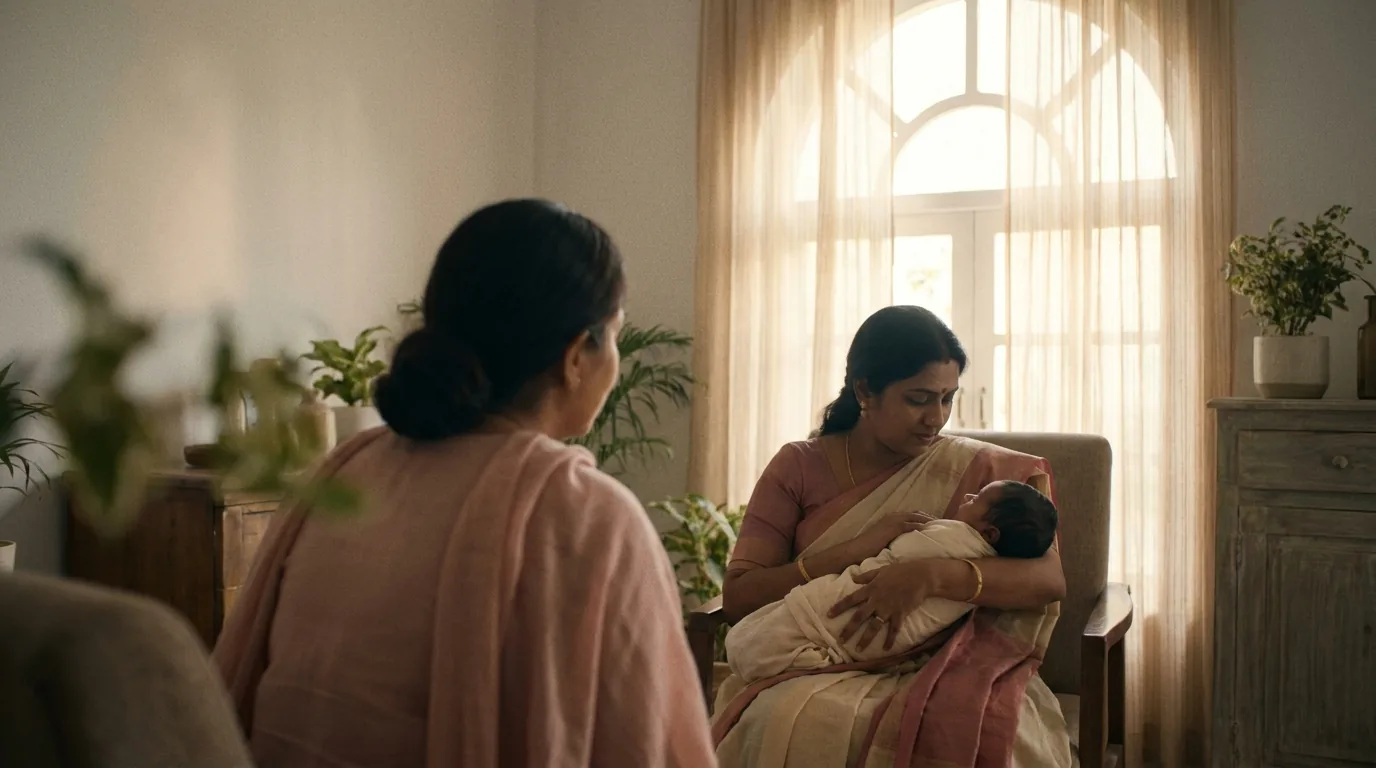
Last month, Priya walked into my clinic in Hubli looking exhausted beyond what I typically see in pregnant women. At 28 weeks pregnant with her second child, she could barely climb the stairs to my office without stopping to catch her breath. "Doctor, I thought this tiredness was normal," she said, settling heavily into the chair. Her hemoglobin levels revealed the stark truth – at 6.8 g/dL, she was suffering from severe iron deficiency anemia. What struck me most was her confession: "I've been drinking tea with every meal because my mother-in-law says it helps with nausea." This simple habit, combined with inadequate iron intake, had pushed her into a dangerous health situation that could have been entirely prevented.
Priya's story reflects a reality I encounter daily in my practice – iron deficiency anemia affects nearly 70% of pregnant women in our region, yet most cases are preventable with proper knowledge and early intervention. As an obstetrician serving families across North Karnataka for over two decades, I've witnessed how this silent condition can transform a joyful pregnancy journey into a challenging health battle, affecting both mother and baby's wellbeing.
Understanding Pregnancy Anemia: The Hidden Crisis Among Indian Women
Iron deficiency anemia during pregnancy isn't just a medical statistic – it's a widespread health challenge that touches nearly every family in India. When I review the latest WHO data showing that 50-90% of pregnant Indian women suffer from anemia, I see faces like Priya's, women who could have avoided serious complications with timely intervention and proper guidance.
Why Iron Becomes Critical During Pregnancy
Your body's iron requirements don't just increase during pregnancy – they nearly double. While non-pregnant women need about 18mg of iron daily, pregnancy demands jump to 27mg per day. This dramatic increase serves several vital purposes:
- Expanded blood volume: Your blood volume increases by 40-50% to support your growing baby
- Fetal development: Your baby needs iron for brain development and creating their own blood supply
- Placental growth: The placenta requires significant iron for optimal function
- Preparation for delivery: Building iron stores helps prevent complications from blood loss during childbirth
The challenge lies in absorption – your body typically absorbs only 10-15% of dietary iron, making it difficult to meet increased demands through food alone.
Risk Factors Specific to Indian Women
In my practice, I've identified several factors that make Indian women particularly vulnerable to pregnancy anemia:
Pre-existing iron deficiency is perhaps the most significant factor. Nearly 60% of Indian women enter pregnancy already anemic due to heavy menstrual periods, poor dietary iron intake, and limited access to healthcare screening.
Dietary patterns play a crucial role. While vegetarian diets can be nutritionally complete, many women consume iron-poor foods like rice and refined wheat as staples, with limited inclusion of iron-rich alternatives like millets, legumes, and dark leafy greens.
Cultural food practices often unknowingly inhibit iron absorption. The common practice of drinking tea or coffee with meals can reduce iron absorption by up to 60%. Similarly, consuming calcium-rich foods like dairy products alongside iron-rich meals decreases iron uptake.
For comprehensive guidance on optimizing your pregnancy nutrition, including iron intake, refer to our complete pregnancy nutrition guide tailored for Indian dietary patterns.
Debunking Common Myths
Let me address some persistent misconceptions I encounter regularly:
Myth: "Eating more rice will cure anemia"
Truth: Rice contains minimal iron and lacks the nutrients needed to combat anemia. Focus instead on iron-rich foods like amaranth leaves, sesame seeds, and legumes.
Myth: "Iron tablets always cause severe side effects"
Truth: While some women experience mild side effects, these can usually be managed effectively. The risks of untreated anemia far outweigh supplement side effects.
Myth: "Vegetarian diets cannot provide enough iron for pregnancy"
Truth: Well-planned vegetarian diets can meet iron needs when combined with vitamin C-rich foods and proper meal timing.
Recognizing Iron Deficiency: Warning Signs You Shouldn't Ignore
Many women dismiss early anemia symptoms as "normal pregnancy tiredness." However, recognizing the difference between typical pregnancy fatigue and iron deficiency symptoms can be life-saving.
Early Warning Signals
The first signs of iron deficiency often develop gradually, making them easy to overlook:
- Excessive fatigue: Feeling exhausted even after adequate rest
- Pale appearance: Notice paleness in your palms, inner eyelids, or nail beds
- Shortness of breath: Difficulty breathing during routine activities like climbing stairs
- Cold extremities: Persistently cold hands and feet
- Unusual cravings: Craving ice, starch, or non-food items like chalk or dirt
If you're experiencing these symptoms alongside early pregnancy concerns, our guide on first trimester essential care provides comprehensive support for managing multiple pregnancy-related health issues.
Progressive Symptoms Requiring Immediate Attention
As iron deficiency worsens, symptoms become more pronounced and concerning:
- Heart palpitations: Rapid or irregular heartbeat, especially during minimal exertion
- Dizziness and lightheadedness: Feeling faint when standing or changing positions
- Cognitive difficulties: Problems concentrating, memory issues, or mental fog
- Restless leg syndrome: Uncomfortable sensations in legs, especially at night
- Brittle or spoon-shaped nails: Changes in nail texture and shape
Understanding Laboratory Values
Regular blood tests help monitor your iron status throughout pregnancy. Here's how to interpret your results:
- Normal pregnancy hemoglobin: Above 11 g/dL
- Mild anemia: 10-10.9 g/dL
- Moderate anemia: 7-9.9 g/dL
- Severe anemia: Below 7 g/dL (requires immediate medical intervention)
Your healthcare provider will also check ferritin levels (iron stores) and other parameters to get a complete picture of your iron status.
Iron-Rich Indian Foods: Your Natural Defense Against Anemia
The beauty of addressing iron deficiency lies in the abundance of iron-rich foods available in traditional Indian cuisine. The key is knowing which foods to choose and how to combine them for maximum absorption.
Top Iron-Rich Foods for Pregnant Indian Women
Seeds and Nuts (Powerhouse Options):
- Sesame seeds (til): 14.6mg iron per 100g – incorporate into laddu, chutney, or sprinkle on salads
- Pumpkin seeds: 8.8mg iron per 100g – roast as snacks or add to trail mix
- Watermelon seeds: Often discarded but rich in iron – dry and roast for healthy snacking
Dark Leafy Greens (Traditional Favorites):
- Amaranth leaves (chaulai): 25mg iron per 100g – highest iron content among vegetables
- Fenugreek leaves (methi): 16mg iron per 100g – excellent in parathas or sabzi
- Spinach (palak): 2.7mg iron per 100g – versatile in curries, soups, and smoothies
- Colocasia leaves (arbi ke patte): Rich in iron and popular in traditional preparations
Legumes and Pulses (Protein + Iron Combination):
- Black gram (urad dal): 7.6mg iron per 100g – perfect for dosa, idli, and dal preparations
- Kidney beans (rajma): 6.7mg iron per 100g – excellent protein source too
- Chickpeas (chana): 6.2mg iron per 100g – versatile in curries, salads, and snacks
Traditional Millets (Ancient Grains Revival):
- Pearl millet (bajra): 8mg iron per 100g – make rotis or porridge
- Finger millet (ragi): 3.9mg iron per 100g – excellent for breakfast porridge
- Sorghum (jowar): Good iron source and gluten-free option
Maximizing Iron Absorption: The Science of Food Combinations
Simply eating iron-rich foods isn't enough – you need to optimize absorption through smart food combinations:
Absorption Enhancers:
- Vitamin C sources: Include amla, guava, tomatoes, bell peppers, or citrus fruits with iron-rich meals
- Fermented foods: Idli, dosa, and dhokla improve iron bioavailability
- Sprouted grains: Sprouting increases iron absorption significantly
- Cooking methods: Using iron cookware can add 2-5mg iron to your meals
Absorption Inhibitors to Avoid:
- Tea and coffee: Wait at least 2 hours after iron-rich meals before consuming
- Calcium supplements: Take separately from iron supplements or iron-rich meals
- Whole grain phytates: While nutritious, consume separately from main iron sources
Sample Iron-Rich Daily Meal Plan
Early Morning (7:00 AM):
Fresh amla juice or vitamin C-rich fruit
Breakfast (8:00 AM):
Ragi porridge with jaggery and chopped almonds, or methi paratha with curd
Mid-Morning Snack (10:30 AM):
Sprouted moong chat with lemon and tomatoes
Lunch (1:00 PM):
Amaranth leaves curry, rajma, brown rice, and salad with bell peppers
Afternoon (3:00 PM):
Buttermilk or coconut water (2 hours after lunch)
Evening Snack (5:00 PM):
Til laddu with guava slices
Dinner (7:30 PM):
Palak paneer, jowar roti, and tomato-cucumber salad
Bedtime (10:00 PM):
Warm milk with turmeric (2 hours after dinner)
Medical Treatment and Supplements: When Diet Isn't Enough
While dietary modifications form the foundation of anemia prevention, many pregnant women require medical intervention to achieve optimal iron levels safely and quickly.
When Supplements Become Necessary
In my practice, I recommend iron supplementation when:
- Hemoglobin levels fall below 10 g/dL despite dietary improvements
- Severe symptoms interfere with daily activities
- Multiple pregnancies (twins or triplets) increase iron demands
- History of heavy bleeding or previous pregnancy complications
- Limited dietary diversity due to socioeconomic constraints
- Malabsorption issues prevent adequate iron uptake from food
For women managing multiple pregnancy-related health conditions, such as those detailed in our gestational diabetes management guide, coordinated supplementation becomes even more critical.
Types of Iron Supplements Available in India
Ferrous Sulfate: Most commonly prescribed, containing 65mg elemental iron per 325mg tablet. Cost-effective but may cause more gastrointestinal side effects.
Ferrous Gluconate: Better tolerated with 36mg elemental iron per 325mg tablet. Good option for women experiencing nausea with ferrous sulfate.
Ferrous Fumarate: Contains 106mg elemental iron per 325mg tablet. Higher iron content but requires careful monitoring.
Iron Polymaltose Complex: Newer formulation with fewer side effects and better tolerance, though more expensive.
Dosage Guidelines and Treatment Protocols
Based on current Indian medical guidelines, I typically prescribe:
- Prevention (normal hemoglobin): 60mg elemental iron + 500mcg folic acid daily
- Mild anemia (10-10.9 g/dL): 120mg elemental iron daily
- Moderate to severe anemia: 180mg elemental iron daily, with close monitoring
- Duration: Continue for 3 months after hemoglobin normalizes to replenish iron stores
Managing Side Effects Effectively
Many women discontinue iron supplements due to side effects, but most issues can be managed:
For Nausea and Stomach Upset:
- Take supplements with meals initially, then gradually shift to empty stomach
- Start with half doses and increase gradually
- Take supplements at bedtime to sleep through initial nausea
- Consider switching to iron bisglycinate formulations
For Constipation:
- Increase fiber intake through fruits and vegetables
- Drink plenty of water throughout the day
- Include natural laxatives like prunes or figs
- Consider stool softeners if necessary
Injectable Iron Therapy: When Oral Supplements Fail
In severe cases, particularly in the third trimester when time is limited, injectable iron therapy may be necessary:
- Iron sucrose: Safer option during pregnancy, given in divided doses
- Ferric carboxymaltose: Allows larger doses in single sessions
- Iron dextran: Requires test dosing but highly effective
Injectable therapy requires hospitalization and careful monitoring but can rapidly improve iron status when oral supplements are ineffective.
Prevention Strategies Throughout Your Pregnancy Journey
Preventing iron deficiency anemia requires a proactive approach that begins before conception and continues through postpartum recovery.
Pre-Conception Planning: Setting the Foundation
The best time to address iron deficiency is before becoming pregnant. I encourage all women planning pregnancy to:
- Get baseline blood tests including complete blood count and ferritin levels
- Address underlying conditions like heavy menstrual periods or parasitic infections
- Start folic acid supplementation at least 3 months before conception
- Optimize dietary iron intake through meal planning and food combining
- Space pregnancies appropriately with minimum 2-year intervals
First Trimester: Early Intervention (Weeks 1-12)
Early pregnancy presents unique challenges with morning sickness potentially affecting supplement tolerance:
- Establish baseline iron status with comprehensive blood work
- Begin daily iron supplementation (60mg elemental iron + folic acid)
- Focus on easily digestible iron sources during periods of nausea
- Address morning sickness to ensure supplement retention
- Consider deworming if indicated by medical history or geographic risk factors
Second Trimester: Optimization Phase (Weeks 13-26)
The second trimester offers the best opportunity for aggressive iron repletion:
- Monitor hemoglobin levels at 20 weeks gestation
- Increase supplementation if levels are declining
- Reinforce dietary counseling with family members involved in meal preparation
- Address any compliance issues with supplement regimens
- Screen for other nutritional deficiencies that might affect iron absorption
This is also an excellent time to address other pregnancy-related nutritional concerns, including vitamin D deficiency, which is covered comprehensively in our vitamin D deficiency during pregnancy guide.
Third Trimester: Preparation for Delivery (Weeks 27-40)
The final trimester focuses on ensuring adequate iron stores for delivery and postpartum recovery:
- Monthly hemoglobin monitoring to track progress
- Consider injectable iron for severe deficiency with limited time for oral therapy
- Coordinate with delivery team regarding anemia status and potential complications
- Plan postpartum supplementation strategy
- Educate about signs requiring immediate postpartum medical attention
Community and Family-Level Prevention
Effective anemia prevention extends beyond individual care to community-wide initiatives:
Family Education: Include mothers-in-law and other family members in nutritional counseling, as they often control meal planning and preparation.
Cultural Integration: Incorporate iron-rich foods into traditional festivals and celebrations, making healthy choices culturally acceptable and enjoyable.
Economic Solutions: Provide guidance on cost-effective iron-rich meal planning using locally available, affordable ingredients.
Healthcare Access: Advocate for regular antenatal checkups and ensure transportation solutions for rural women.
Long-Term Health Implications: Why Prevention Matters
The consequences of untreated iron deficiency anemia extend far beyond pregnancy, affecting both immediate and long-term health outcomes for mother and child.
Maternal Health Risks
Severe anemia significantly increases risks during delivery and postpartum recovery:
- Postpartum hemorrhage complications: Reduced ability to tolerate normal blood loss during delivery
- Increased infection risk: Compromised immune system function
- Delayed wound healing: Slower recovery from cesarean sections or episiotomies
- Cardiac complications: Heart failure in severe cases
- Mental health impacts: Increased risk of postpartum depression and anxiety
For comprehensive support on postpartum mental health, including the connection between anemia and mood disorders, refer to our detailed guide on postpartum mental health support.
Fetal and Child Health Consequences
Iron deficiency during pregnancy can have lasting effects on your child's health and development:
- Low birth weight: Increased risk of babies born weighing less than 2.5kg
- Preterm delivery: Higher likelihood of delivery before 37 weeks
- Impaired cognitive development: Long-term effects on learning and memory
- Childhood anemia risk: Babies born to anemic mothers are more likely to develop anemia
- Increased infant mortality: Higher risk of complications in the first year of life
Postpartum Iron Management
Your iron needs don't end with delivery – in fact, they often continue at elevated levels:
- Continue supplementation for 6 months postpartum to replenish iron stores
- Breastfeeding considerations: Lactation increases iron requirements
- Family planning counseling: Prevent rapid successive pregnancies that don't allow iron store recovery
- Long-term monitoring: Regular blood tests to ensure complete recovery
Empowering Your Pregnancy Journey: Taking Control of Your Health
As I reflect on my years of practice in Hubli, I've seen countless women transform their pregnancy experience by taking proactive control of their iron status. Priya, whom I mentioned at the beginning, is now the mother of a healthy baby boy. Through dedicated supplementation, dietary modifications, and family support, she not only overcame severe anemia but also became an advocate for anemia prevention in her community.
Your pregnancy journey is unique, but you don't have to navigate the challenges of iron deficiency alone. By understanding the warning signs, making informed dietary choices, working closely with your healthcare provider, and involving your family in your health journey, you can prevent anemia and ensure the best possible outcomes for both you and your baby.
Remember that preventing iron deficiency anemia isn't just about taking supplements or eating specific foods – it's about creating a comprehensive approach to maternal health that honors both modern medical knowledge and traditional wisdom. Every small step you take toward better iron status is an investment in your health and your child's future.
If you're experiencing symptoms of iron deficiency or have concerns about your pregnancy health, don't hesitate to consult with your healthcare provider. Early intervention and consistent monitoring can prevent serious complications and help you enjoy a healthy, vibrant pregnancy.
Medical Disclaimer: This information is for educational purposes only and should not replace professional medical advice. Always consult with your healthcare provider before making significant changes to your diet or supplement regimen during pregnancy. Individual iron requirements may vary based on medical history, current health status, and specific pregnancy circumstances.
Take charge of your health today – your future self and your baby will thank you for the care and attention you invest in preventing iron deficiency anemia during this crucial time in your life.
About Dr. Geeta S. K.
Dr. Geeta S K is an experienced gynecologist dedicated to providing compassionate care and expert guidance on women's health issues. With years of practice, she specializes in PCOS management, pregnancy care, and comprehensive gynecological services.